Photo by Plato Terentev on Pexels
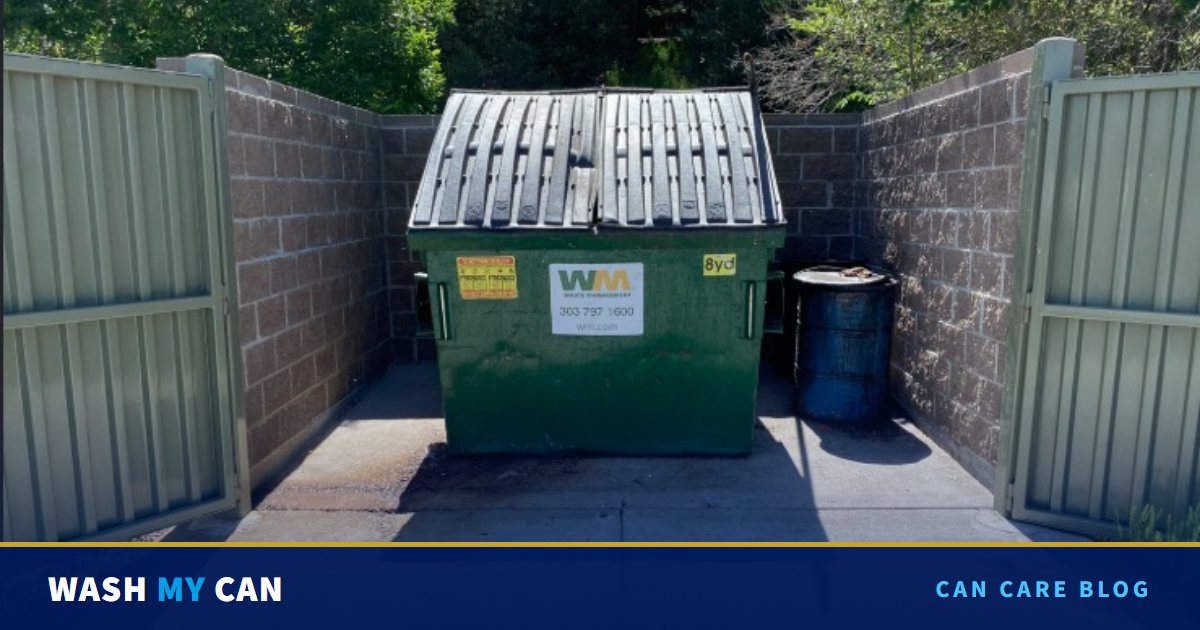
Three o'clock, and the sky over the parking lot turns the color of a bruise. The first fat drops smack the lid of the dumpster like pebbles. Within a minute the rain is coming sideways, and the dark stain under the container starts to move. A brown ribbon slides across the concrete, picks up a shine of grease and a few soggy napkins, and runs straight for the grate at the edge of the lot. If you stood downwind you would smell it lift off the pad: sour milk, old fryer oil and something sweet and rotten, so thick it leaves a bitter, oily taste at the back of your throat. Then it gurgles through the grate and it is gone. Gone from your lot, anyway.
Most business owners never think about where that water ends up. It is worth a minute of your time, because the storm drain at the edge of your property is not a trash chute.
Where storm drains actually go
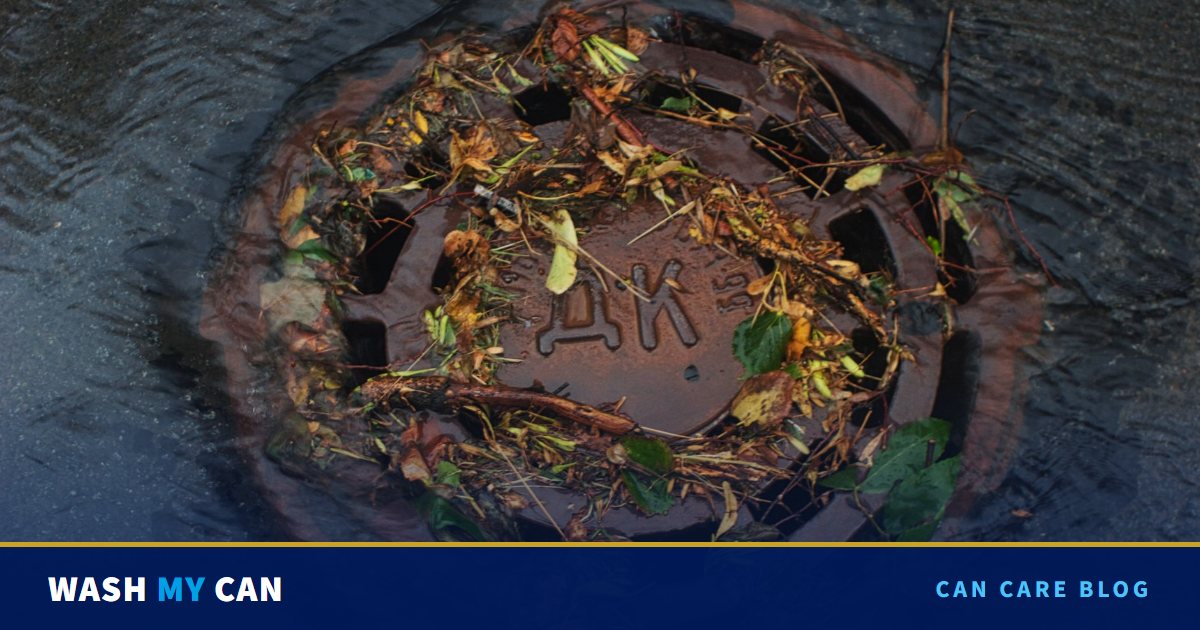
In many places, including much of South Florida, storm drains are a separate system from the sewer pipes inside your building. Water that goes down a sink or toilet heads to a treatment plant. Water that goes down a storm drain often flows through pipes and ditches to canals, lakes, ponds and other local waters, frequently without treatment along the way. In Palm Beach County, that can mean the same waterways people fish, paddle and boat on.
That is why many storm grates are stamped with reminders not to dump anything into them. The system is built to move rain off the streets quickly, not to clean it.
What stormwater rules mean for a dumpster pad
The federal Clean Water Act and the EPA's stormwater program are the backdrop for a lot of local rules. In Florida, state agencies and local governments carry out much of that work, and many cities and counties have ordinances that prohibit discharging anything other than rainwater into the storm drain system. Grease, food waste, garbage juice and dirty wash water generally fall on the wrong side of that line.
The details vary from city to city and property to property, so this is not legal advice. If you manage a restaurant, a shopping center, an apartment community or an HOA, your city, the county or your property manager can tell you exactly which rules apply to your site. What is safe to say is that a dumpster pad covered in grease and leachate, sitting a few feet from a storm grate, is the kind of setup those rules are written about.
Power washing raises the same question. Many local rules and best practices for commercial power washing focus on keeping dirty wash water out of storm drains. Hosing a filthy pad straight toward the grate after close may move the mess off your lot, but it sends it in exactly the wrong direction.
What is really sitting on your pad
Get down close to the concrete on a hot afternoon and look. The stain is not just dirt. It is layers of garbage juice, cooking grease, crushed food, spilled soda and whatever leaked out of a torn bag last week, baked on by the sun and rewetted by every shower. Run your shoe across it and you feel the drag, a tacky, slick film that grabs and then lets go with a soft peel. Under the lid, there is a low, steady hum of flies, and in the seams of the container you may see pale maggots curling and crawling in the wet corners.
Heat and humidity speed all of it up. Bacteria such as E. coli can double about every 20 minutes under ideal conditions, and a warm, wet, food-covered pad comes close. A house fly can lay up to about 150 eggs at a time, those eggs can hatch in roughly a day in warm weather, and a new fly can emerge in as little as about a week. Flies can carry bacteria on their legs and bodies from the enclosure to your back door, your patio and your parking lot.
When the rain comes, everything loose on that pad goes looking for the lowest point. On many properties, that low point has a grate in it.
Simple habits that keep the pad from feeding the drain
Keep the lids closed, always. A closed lid keeps rain out of the container, so there is less liquid sloshing through the trash and leaking out the bottom.
Tie and double bag anything wet. Torn bags are a common source of the drips that become a stain.
Do not overfill. A dumpster with its lid propped open on a pile of bags becomes a rain barrel full of garbage.
Keep grease where it belongs. Used cooking oil goes in the grease container, not in the dumpster and never down the drain. Wipe up drips around the grease bin before the afternoon storm finds them.
Sweep up loose trash and food every day, and look for the warning signs: a stain that keeps spreading, a rainbow sheen on puddles near the enclosure, a smell you notice from the parking lot, or flies hovering by the back door.
Skip the hose. Cold water does not cut grease or kill bacteria, and pointing it at a storm grate is the habit most stormwater rules are meant to stop.
How Wash My Can cleans the dumpster and the pad
Wash My Can brings a state of the art cleaning trailer to your property. We clean, sanitize and disinfect your dumpsters, compactors and bulk cans with 200 degree high-pressure hot water that melts through baked-on grease and kills bacteria and disease-causing germs, then we deodorize, so the enclosure smells like nothing at all. We power wash the pad as well, lifting that dark, sticky film off the concrete so the next storm has far less to pick up.
The dirtiest water on your property comes from inside the container: the food juice, grease, slime and bacteria that settle at the bottom. That true gray water from the interior is collected in our trailer's wastewater holding tank instead of being hosed across your lot. We use eco-friendly products, and we work on a recurring schedule, early morning or after close, so the pad stays clean between visits instead of building back up.
We work with restaurants, retail centers, hotels, offices, apartments, HOAs and property managers across Palm Beach County. Commercial pricing is custom, based on how many dumpsters, compactors and cans you have and how often you want service. Learn more on our commercial dumpster cleaning page.
Ready to give the next afternoon storm a clean pad to fall on? Call us at 561-414-8682 or join our launch list, choose HOA/Commercial, and tell us about your property. We will put together a cleaning schedule and a custom quote for your dumpster, compactor and pad.
Give the next Florida storm a clean dumpster pad to wash over
We sanitize dumpsters, compactors and pads with 200 degree hot water, and the gray water from inside the container goes into our holding tank. Contact us for a custom quote.