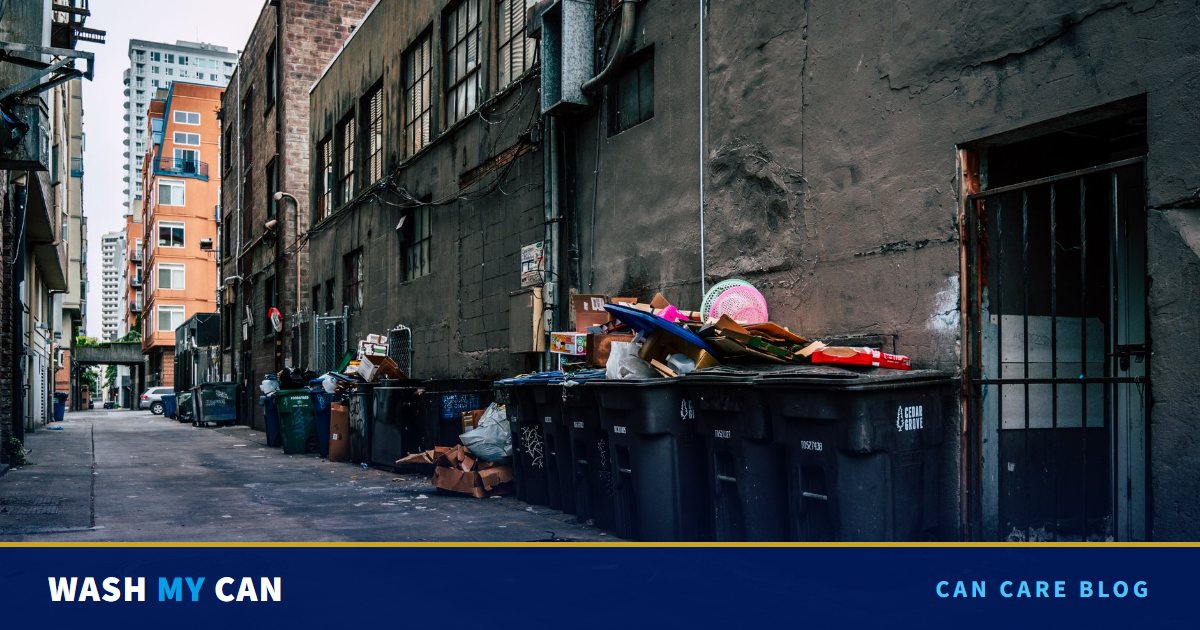
Photo by Brett Sayles on Pexels
Friday, ten minutes after close. The line cook drags two dripping bags across the back lot, and every step makes a soft, sticky click on the concrete. The enclosure gate groans open. The smell rolls out to meet him: fryer oil gone rancid, shrimp shells, sour milk and something sweet underneath it all, so heavy he can taste it, a bitter, greasy coating on the back of his tongue. A cloud of tiny fruit flies lifts off the lid and drifts toward the light over the kitchen door. He tosses the bags, wipes his hand on his apron, and feels the slick film that came off the handle with it.
That walk happens at almost every restaurant in Palm Beach County, every night. And the dumpster pad is the one part of the kitchen that rarely gets the same attention as the line, the walk-in or the dining room.
Why the restaurant dumpster pad gets so bad
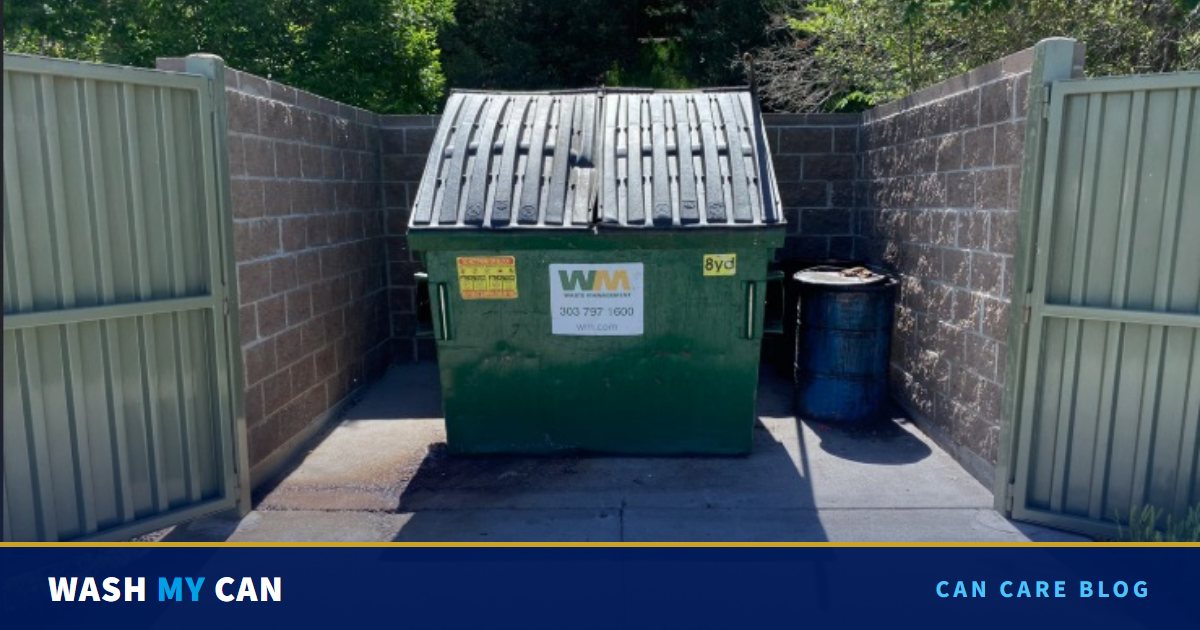
Restaurant trash is wet, heavy and full of food. Grease, meat scraps, produce trimmings, coffee grounds and spilled sauces leak through bags and pool at the bottom of the dumpster. Some of it drips out onto the concrete, where Florida sun bakes it into a dark, shiny stain. Rain rewets it. The sun bakes it again. Week after week, the pad builds up layers you can feel underfoot: tacky at the edges, slippery in the middle.
In warm, humid weather, that mess can be a feast for bacteria. Bacteria such as E. coli can double about every 20 minutes under ideal conditions, so a greasy patch can turn into a thriving colony long before the next pickup. Flies love it too. A house fly can lay up to about 150 eggs at a time, those eggs can hatch in roughly a day in warm weather, and pale maggots may be squirming in the corners of the container within days. Lean in close on a hot afternoon and you can hear the low buzz before you even lift the lid.
Flies do not stay at the dumpster. They can carry bacteria on their legs and bodies, and the back door of a busy kitchen opens dozens of times a night. Roaches and rats follow the smell too, and a pad that always has food on it gives them a reason to stay.
The restaurant dumpster pad checklist
Use this as a simple routine for your closing crew and managers. Nothing here replaces your local health rules, but it covers the basics that keep the area cleaner between professional washes.
Every shift: keep the dumpster lids closed, even when the container is not full. Open lids invite flies, birds and rain. Tie every bag before it leaves the kitchen, and double bag anything wet or greasy. Carry bags instead of dragging them, so they do not tear and leave a trail of drips across the lot.
Every night at close: walk the enclosure with a flashlight. Pick up any loose trash, broken boxes or spilled food on the pad. Make sure nothing is stacked beside the dumpster or on top of it. Check that the gate closes and latches, so animals and passersby cannot get in.
Every week: look at the grease bin. Wipe the lid and the area around it, and check for drips, overflow or a rainbow sheen on the concrete. Break down cardboard so the recycling container closes properly. Note any new stains, strong odors or fly activity, and tell whoever schedules your cleaning.
Every month or more: have the dumpster, the grease bin area and the pad professionally power washed with hot water. Many restaurants choose at least a monthly wash, and some kitchens may want it more often during the hottest months or after a big event weekend.
Warning signs that you need a wash sooner: you can smell the enclosure from the parking lot, fruit flies hover at the back door, the pad has a dark stain that keeps spreading, or the lid and handles feel slick when you grab them.
Restaurant grease bin cleaning and the pad around it
Grease is the hardest part of any restaurant waste area. It coats the inside of containers, smears onto lids and handles, and soaks into concrete. Cold water and a hose simply slide over it. A kitchen degreaser and a deck brush can lift some of the surface, but that is a hot, nasty job at the end of a long shift, and it tends to get skipped. The grease that stays behind keeps feeding the smell, the flies and the bacteria you are trying to get rid of.
Why it matters for inspections and reviews
Health inspectors may look at outdoor waste areas as part of a visit, and a messy enclosure is not the first impression any kitchen wants to make. Your guests notice too. A sour smell drifting across the parking lot or the patio, or flies near the entrance, can follow a diner right to the review they write that night. A clean pad will not cook your food, but it tells everyone who walks past that the kitchen behind it is run with care.
How Wash My Can cleans restaurant dumpsters and pads
Wash My Can brings a state of the art cleaning trailer right to your back lot. We clean, sanitize and disinfect your dumpster, cans and compactor with 200 degree high-pressure hot water that melts through baked-on grease and kills bacteria and disease-causing germs, then we power wash the pad so that dark, sticky film is lifted out of the concrete instead of just pushed around. We deodorize as we go, so the air behind your kitchen smells like nothing at all.
The worst of the mess lives inside the container: the grease, food juice, slime and bacteria that settle at the bottom. That gray water from the interior is collected in our trailer's wastewater holding tank. We use eco-friendly products, and we can work on a recurring schedule that fits your hours, early morning or after close, so the cleaning never gets in the way of service.
We work with restaurants, cafes, bakeries, bars, grocery stores and food halls across Palm Beach County, along with HOAs, apartments and property managers. Commercial pricing is custom, based on how many dumpsters, grease bins, compactors and cans you have and how often you want service. You can learn more on our commercial dumpster cleaning page.
Want a back lot your crew does not dread walking to? Call us at 561-414-8682 or join our launch list, choose HOA/Commercial, and tell us about your restaurant. We will build a cleaning schedule and a custom quote for your dumpster, grease bin area and pad.
Give your back lot the same care you give your kitchen line
We power wash, sanitize and deodorize restaurant dumpsters, grease bin areas and pads with 200 degree hot water on your schedule. Contact us for a custom quote.