Photo by Grigoriy Konsevich on Pexels
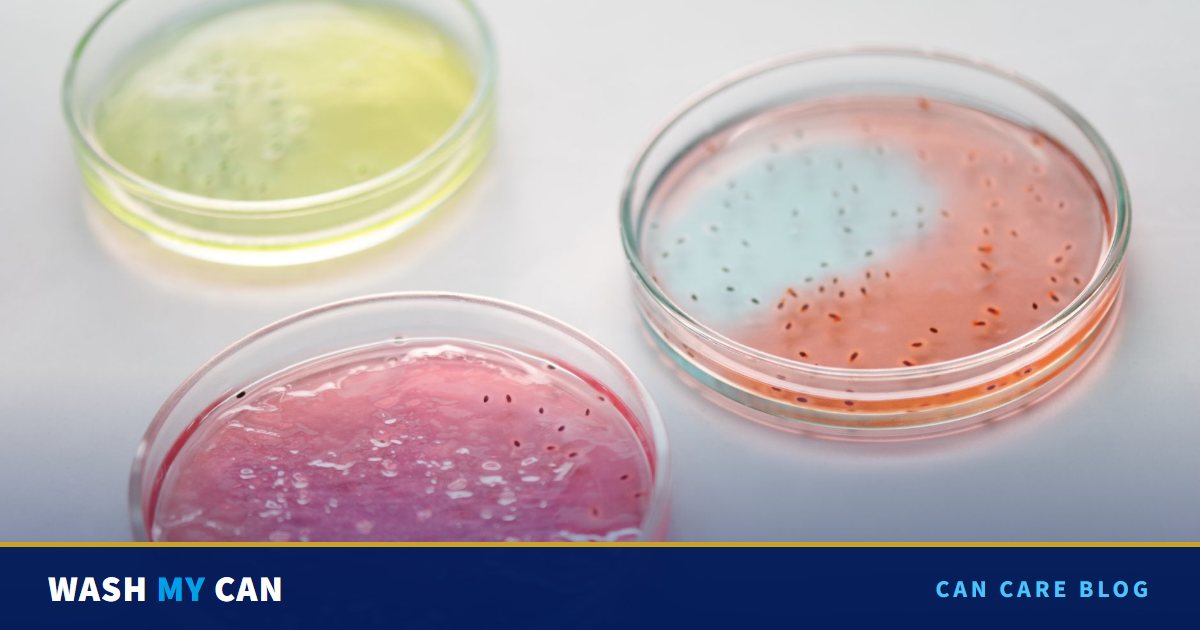
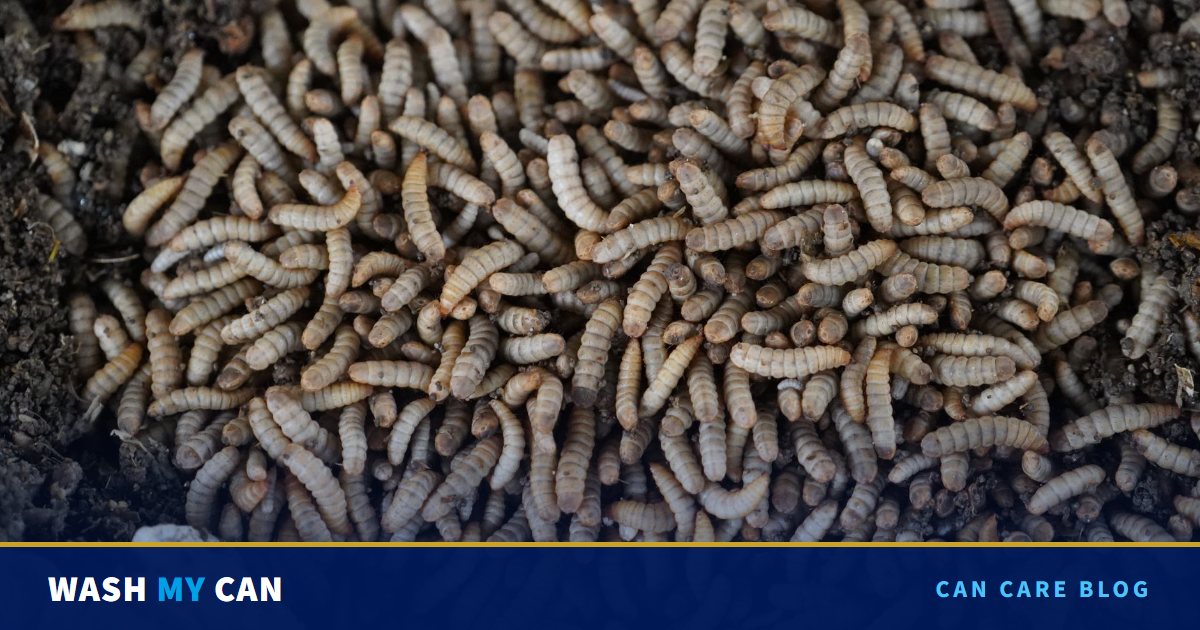
Lift the lid on a warm Florida afternoon and it hits you first: a sweet, sour rot that clings to the back of your throat and leaves a metallic taste. Then comes the sight of pale, rice-sized maggots squirming through a slick brown film, with a soft, wet rustle you can almost hear. Even the rim feels tacky under your fingers, and anything you touch inside clings like warm oil. It all starts with one fly laying up to 150 eggs on your scraps.
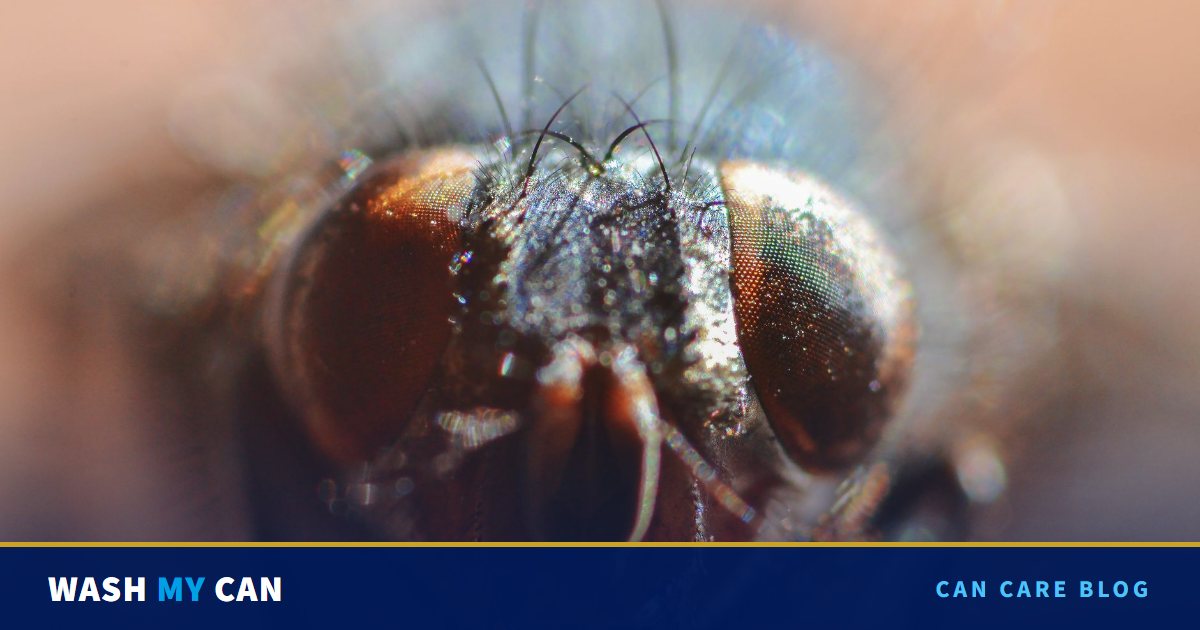
In warm weather, those eggs can hatch in about a day. The maggots feed for several days, then pupate, and a new fly can emerge in as little as a week, ready to land on your counter, your groceries, and your kids' toys. That low buzz you keep hearing near the kitchen? Now you know where it starts. Flies can carry bacteria on their legs and bodies, so one dirty can becomes a nonstop delivery service. A hot-water wash breaks the cycle by removing the food, the film, and the eggs before they ever get started.
Why does one fly turn into a serious problem so fast?
A single house fly laying up to roughly 150 eggs at once means one visit to an unwashed can can seed the next generation many times over. With a full life cycle from egg to adult fly possible in about a week under warm conditions, a household that is not actively managing its can can end up with several overlapping generations of flies at once rather than just one. That is part of why the problem can seem to appear out of nowhere.
What makes a can attractive to egg-laying flies?
Flies are drawn to moisture, food residue, and odor, all three of which build up on the inside walls of a can even after the trash itself is gone. A slick film at the bottom, a sticky ring near the rim, or simple standing liquid all send the same signal to a fly looking for a place to lay eggs. Warm, humid Florida weather keeps that film from drying out between collections, which is exactly the condition flies favor.
Can flies actually spread bacteria around my home?
Flies can carry bacteria on their legs and bodies as they move between a dirty can and surfaces inside a home, such as counters or outdoor furniture. This does not mean a fly landing somewhere will make anyone sick. It simply means a can that keeps producing flies is also a can that keeps giving bacteria a way to travel. Removing the residue removes both problems at the source, whether your home is in Wellington, Palm Beach Gardens, or anywhere else we serve.
Sources: USDA Food Safety and Inspection Service · CDC Food Safety · UF/IFAS Extension Palm Beach County
Stop the cycle before it starts
Our hot-water wash sanitizes and deodorizes your can inside and out, right at the curb. Plans start at $25 a month with no contract.