Bacteria found in trash cans
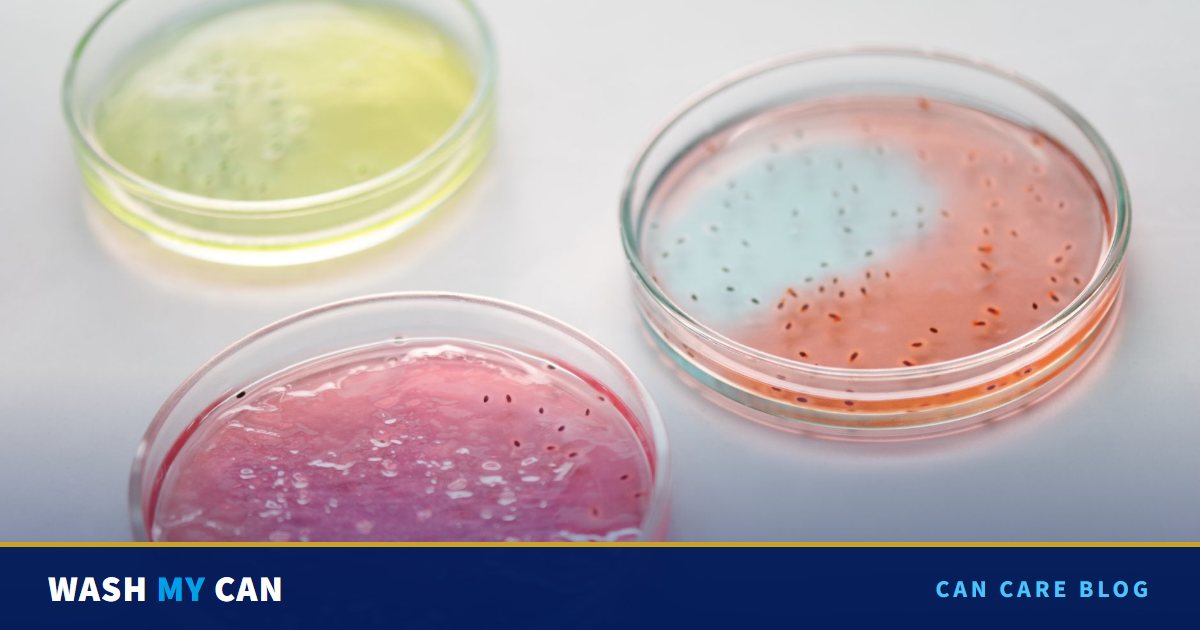
Your fingers find the handle first, and it feels tacky, like old syrup. Tip the lid back and a thick, sour stink rolls out, sharp enough to leave a bitter taste on your tongue. Down at the bottom, a brown puddle glistens under a gray fuzz of mold, and a few flies lift off with a low, lazy hum. That slick film is not just dirt. Raw meat juice and old leftovers can feed bacteria such as E. coli, Salmonella, Listeria and Staph, while mold spores drift up every time the lid opens.
In warm weather, some bacteria can double about every 20 minutes under ideal conditions, and a Florida can in the sun can come close. Then they travel. Germs on the lid and handle may ride on your hands to the garage door, the fridge and the kitchen counter in minutes. A hose rinse just pushes the mess around. Our 200 degree hot-water wash sanitizes and deodorizes your can inside and out, right at the curb.
How fast do germs multiply in a warm can?
Food safety guidance from the USDA describes a "danger zone" between 40°F and 140°F where bacteria can double in as little as 20 minutes under ideal conditions. A closed trash can sitting in a Palm Beach County driveway on a summer afternoon can sit well inside that range for hours at a stretch, especially with food residue and liquid pooled at the bottom feeding the growth. That is part of why a can that seemed fine on Monday can smell sharply different by the time collection comes back around.
How do germs spread from the can to your home?
The lid and handle are the parts of a can everyone touches and almost no one cleans. A hand that lifts the lid can carry bacteria to a door handle, a light switch, a steering wheel or a kitchen counter within minutes, well before anyone thinks to wash up. Kids and pets add another path, since a curious dog nose or a kid's hand at can height doesn't know the difference between the outside of the can and anything else in the yard. None of this means anyone in a household with a dirty can will get sick. It is simply how surface bacteria move from one place to another.
Does a garden hose rinse actually sanitize a can?
Rinsing with a garden hose can move loose debris out of a can, but it does not sanitize it. Cool tap water and a quick spray do not reach the temperature needed to break down the biofilm that builds up on plastic, and the runoff typically just drains straight into the yard or a storm drain instead of being captured and disposed of properly. A true sanitizing wash needs sustained heat, which is why our process uses 200 degree hot water rather than a cold rinse. We serve this year round in West Palm Beach, Delray Beach, and every other city across Palm Beach County.
Sources: USDA Food Safety and Inspection Service · CDC Food Safety · UF/IFAS Extension Palm Beach County
Wash the germs off your can, not just the dirt
A hot-water sanitizing wash at the curb, inside and out, while you go about your day. Plans start at $25 a month, 2 cans included, no contract.