Photo by kamal uddin on Pexels
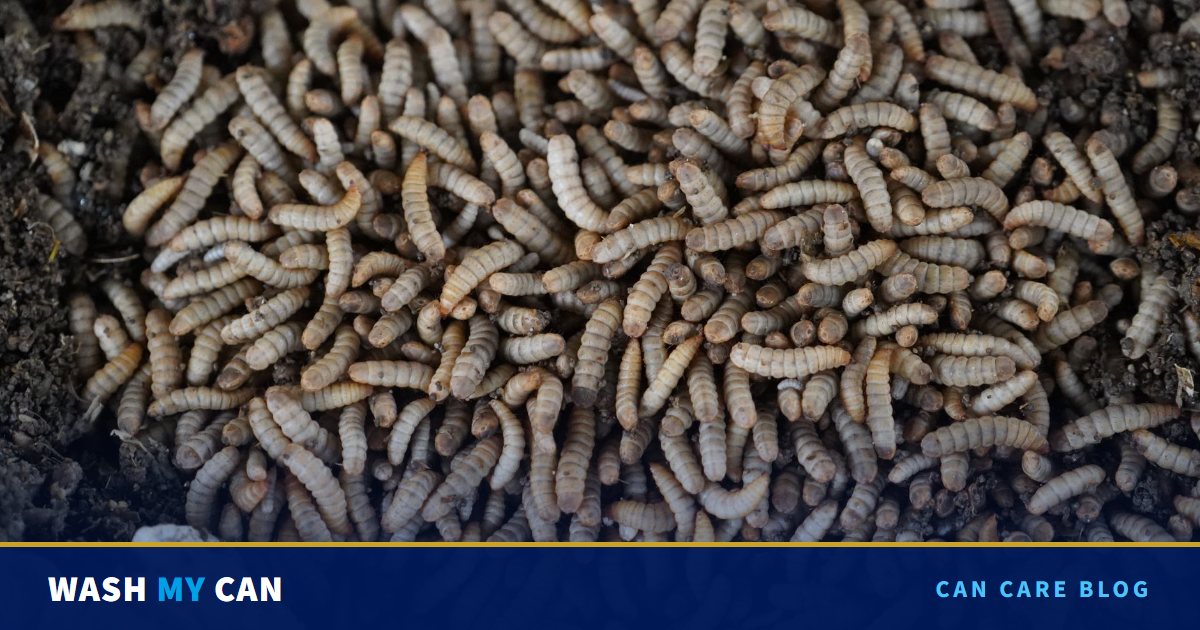
Peel back the bag and the smell hits first: a sour, ammonia-sharp rot that coats your tongue like spoiled milk. Then comes the movement. Hundreds of plump, ridged maggots churn through the bottom of your can, and if you listen closely there is a faint, wet crackle like rice sizzling in a pan. The slime under the bag feels warm and alive through a glove. Those maggots are fly larvae, and they are eating the leftovers you tossed last week.
In warm weather they can grow fast, feeding around the clock until they are ready to leave. Then they crawl out of the can in search of a dry, sheltered spot, which can mean your garage floor, your driveway, or a crack near your door. From there, the next flies emerge. A hose rinse only scatters them. A hot-water sanitizing wash removes the food, the slime and the maggots, and a clean can gives flies nothing to lay eggs on.
How fast do maggots grow in Florida heat?
Warm, humid weather speeds up nearly every stage of a fly's life cycle, and Palm Beach County spends most of the year in that range. Once eggs hatch, the resulting maggots can feed for several days before they are ready to pupate, and the whole process from egg to adult fly can take roughly a week under warm conditions. A can that sits between collections during a Florida summer gives that cycle everything it needs: food, moisture and steady heat.
Where do maggots go when they leave the can?
When maggots finish feeding, they do not stay put. They crawl toward a dry, sheltered spot to pupate, which is often the nearest cover: a garage floor, a gap under a door, mulch beds, or cracks in a driveway near where the can sits. That is why homeowners sometimes find them well outside the can itself, seemingly out of nowhere. Once they pupate and emerge as flies, those flies head straight back toward the same food source, and the cycle starts again unless something changes.
Does bagging my trash stop maggots?
Bags help, but they are not a full fix. Bags can tear, leak, or simply not get tied tightly enough, and even a bag that holds together leaves residue and odor on the inside walls of the can itself once it is removed. Flies are drawn to that lingering smell whether or not the current bag is intact. A cleaning that removes the residue, not just the trash, is what actually takes away the draw. We handle this weekly and biweekly across Boynton Beach, Jupiter, and every city we serve in Palm Beach County.
Sources: USDA Food Safety and Inspection Service · CDC Food Safety · UF/IFAS Extension Palm Beach County
Get the maggots out of your life
We hot-water wash and sanitize your can inside and out, right at the curb, so there is nothing left for flies to lay eggs on. Plans start at $25 a month, no contract.