Photo by Andrew Patrick Photo on Pexels
It is two in the morning and something is scraping at the side of the house. A hollow thunk, a clatter of plastic hitting the driveway, then the soft rip of a bag being dragged across the grass. By sunrise the scene is familiar: chicken bones on the lawn, a torn bag in the hedge, coffee grounds smeared down the drive and a sour smell hanging over the whole mess.
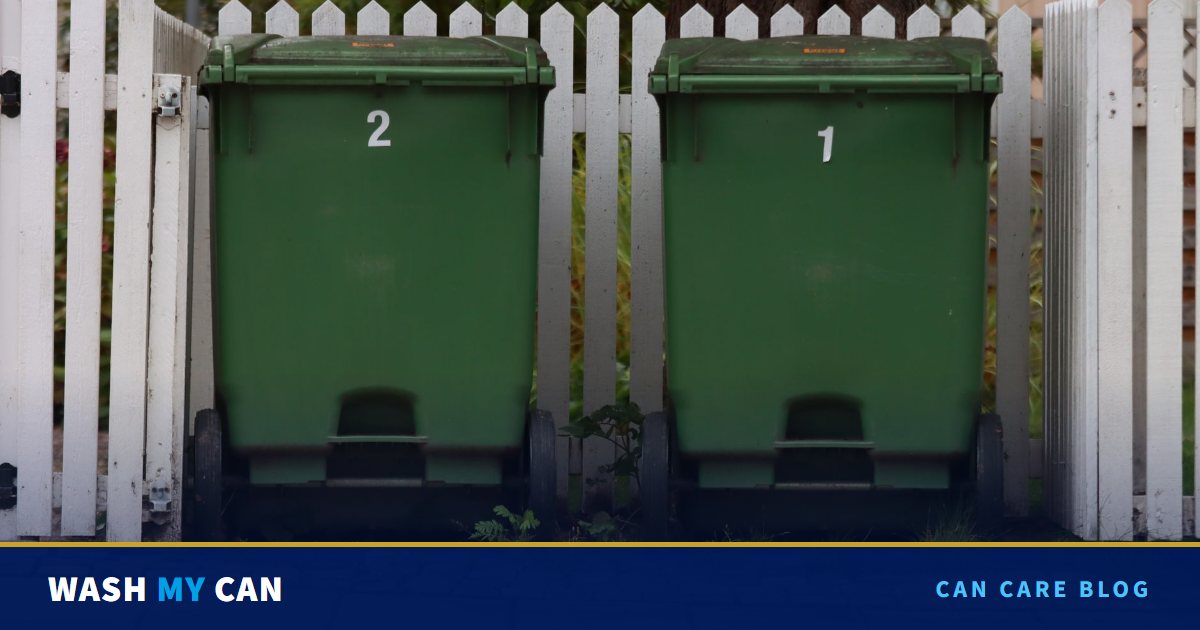
If raccoons, rats or possums keep raiding your trash, you are far from alone in Palm Beach County. These animals live right alongside us here, in canals, palm trees, attics and storm drains. Most people blame the lid or the animal. The bigger culprit is usually something you cannot see: the smell soaked into the can itself.
Why raccoons, rats and possums target your garbage can
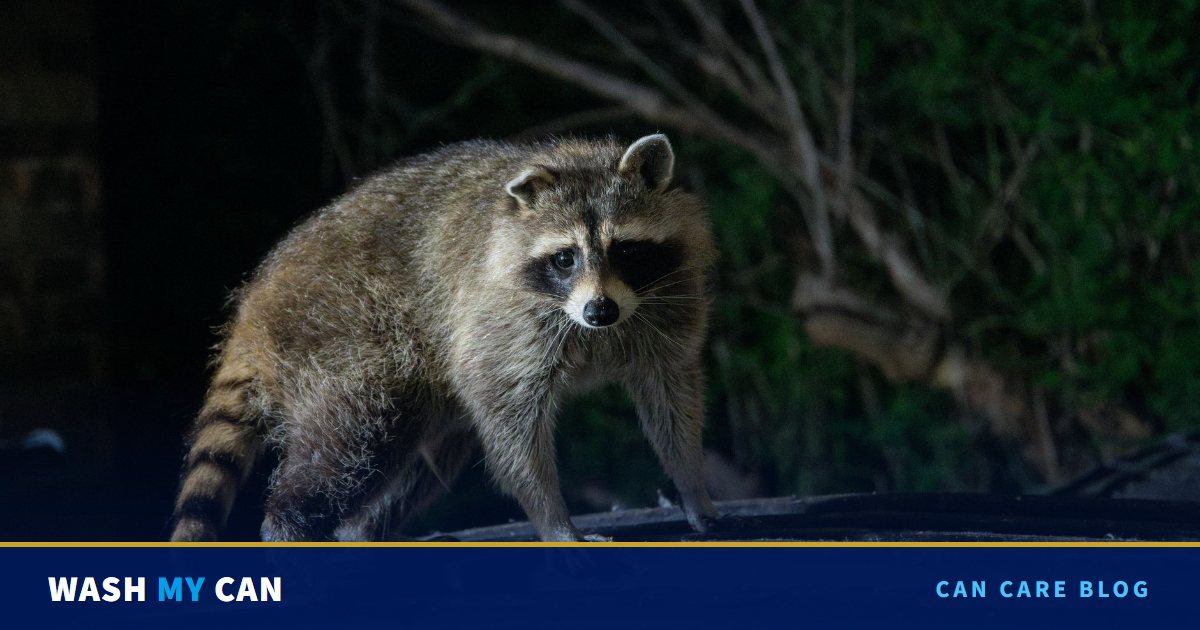
Wild animals find most of their food by smell, and many of them have far sharper noses than we do. To a raccoon or a rat, your can is not a closed box. It is a signal broadcast across the whole block, saying that something rich and greasy is waiting here.
That signal does not shut off when the truck empties your can. Meat juices, grease, dairy and sugary drinks leak out of bags and dry into a sticky film on the bottom, the walls and the underside of the lid. In warm, humid Florida weather, bacteria feed on that residue and the odor can get stronger each day. So even an empty can may keep drawing visitors night after night.
Each animal works the problem differently. Raccoons are clever and have nimble front paws, so they can pry at loose lids, tip a can over and pull bags apart. Opossums are scavengers that will gladly clean up whatever a raccoon leaves behind. Rats are small, persistent and quick to return to any spot where they have found food before, and they may gnaw at plastic edges and lids to get at it.
What a raided can is really like up close
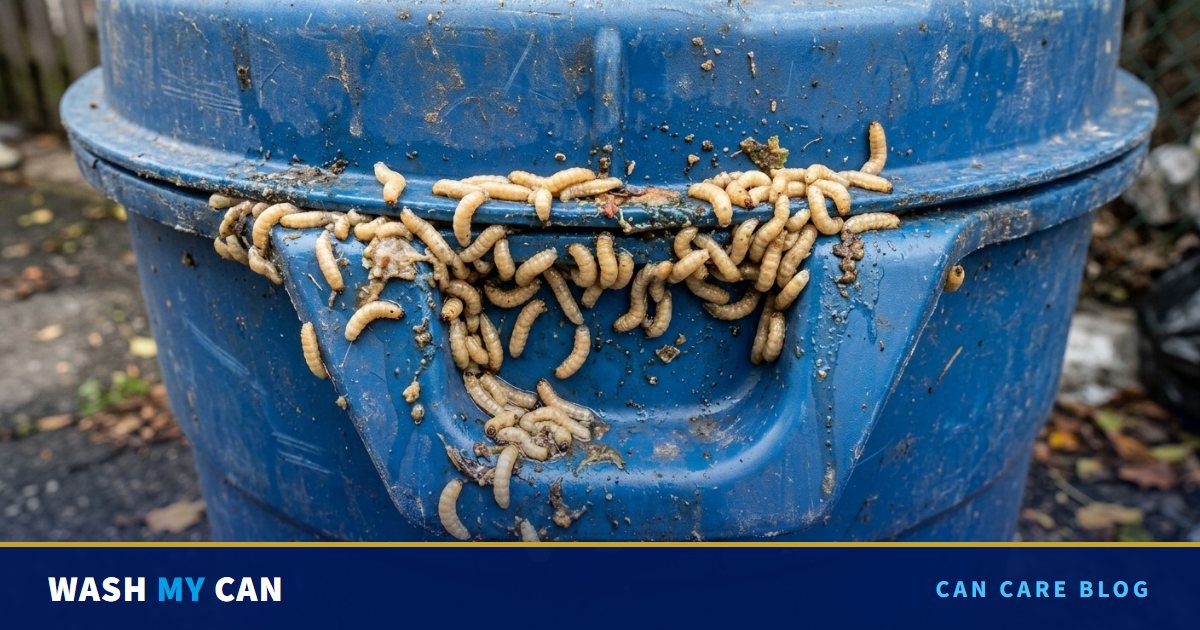
Walk out to a can that critters have been working on and every sense tells you something is wrong. The smell hits first, a thick, sweet rot with a sharp ammonia edge, strong enough that you can almost taste it, sour and metallic at the back of your throat. Flies drift up with a low, steady buzz from the spilled scraps. Grab the handle and it feels gritty and tacky, with dried juice and dirt from paws and claws. Look closer and you may see muddy tracks on the lid, chewed or scratched plastic around the rim, droppings near the wheels and a dark, greasy stain where the bag was torn open.
That mess is more than an eyesore. Wild animals can track in dirt, and droppings and spilled garbage can carry bacteria. Then you wheel the can back up the driveway, grab the handle again, and walk inside to open the fridge.
How to make your trash can critter proof
No single trick stops every animal, but stacking a few simple habits can make your can a lot less tempting:
Secure the lid. A lid that closes fully is the first line of defense. A bungee cord or a lid strap across the top can make it much harder for a raccoon to pry open. If your lid is cracked, warped or will not close, ask your hauler or city about a replacement.
Keep the can from tipping. A can that falls over is a can that spills. Store it against a wall, inside a simple can corral, or in the garage until the morning of pickup if your community allows it.
Bag smart. Double bag meat, fish, bones and greasy food, tie bags tightly and try to toss the smelliest scraps the night before pickup instead of letting them sit in the can for days.
Do not overfill. If the lid cannot close, the smell and the food are both on display. A bigger can or an extra can is cheaper than cleaning up a scattered mess.
Clean up the area around the can. Spilled scraps, outdoor pet food and fallen fruit near the can all add to the invitation.
Remove the smell at the source. This is the step most people skip, and it matters most. As long as the can itself reeks of old food, animals will keep checking it. A garden hose rinse moves the loose gunk around, but cold water does not cut through the greasy film or kill the bacteria making the odor, and the dirty runoff ends up on your driveway or lawn.
How Wash My Can takes away the smell critters follow
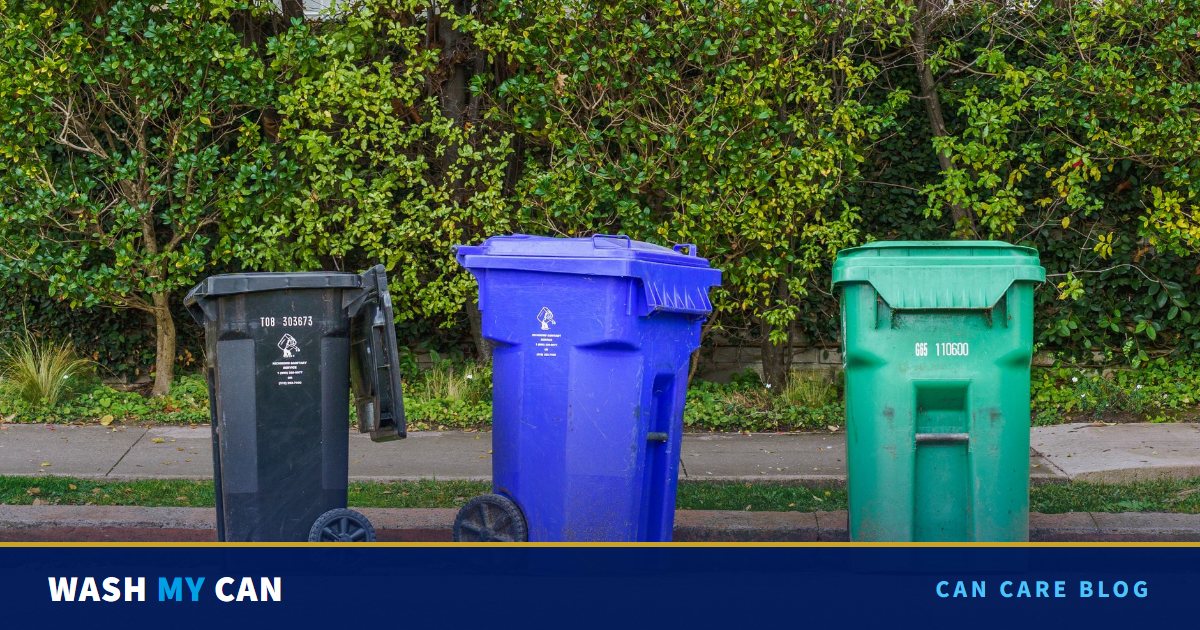
That last step is exactly what we do. Wash My Can is a family owned, curbside trash and recycling can cleaning service here in Palm Beach County. Our state of the art cleaning trailer pulls up after your trash has been collected and blasts your cans inside and out with 200 degree high-pressure hot water. The heat and pressure strip away the grease, crust and sticky residue a hose leaves behind, cleaning, sanitizing and disinfecting the can and killing bacteria and disease-causing germs. Then we deodorize it, so the can stops sending out that late night dinner bell.
The dirtiest water stays with us. The gray water from inside your cans, full of the food residue that pests follow, is collected in the holding tank on our trailer, so it never runs across your lawn, down your driveway or into the storm drain where it could draw even more pests. You do not need to be home, and we roll your cans back to where you keep them.
A clean, fresh can will not turn your yard into a wildlife-free zone overnight, but it takes away the biggest reason animals keep coming back to your curb. Pair it with a secured lid and smart bagging and you give raccoons, rats and possums far less to work for.
Stop feeding the neighborhood wildlife
Tired of picking garbage off your lawn before work? Let us take the smell out of the equation. Our plans start at $25 a month, every plan includes 2 cans, and there is no contract required. Know a neighbor whose trash gets raided too? Share this with your neighborhood group. Book your first cleaning with residential trash can cleaning, try a one-time cleaning, or call us at 561-414-8682 and Start Service today.
Shut down the late night buffet at your curb
We wash away the food odors that draw raccoons, rats and possums with 200 degree high-pressure hot water, and collect the gray water from inside each can in our holding tank. From $25 a month, no contract.