Photo by Efrem Efre on Pexels
You roll the can to the curb, flip the lid, and stop. That smell. It is not ordinary trash. It is heavy, sweet and rotten, the kind of smell that makes you check the bushes for something that crawled in there and died. You look. Nothing is there. The smell is coming from the can itself.
If your garbage can smells like a dead animal, you are not imagining it, and you are not the only one fighting it. It is one of the most frustrating smells around a home, because it seems to come back no matter what you do. The good news is that there is a real reason for it, and a real fix.
Why a smelly garbage can smells like something died
The smell that reminds you of a dead animal usually comes from the same thing: decaying animal protein. Think about what goes into a kitchen can in a normal week. Raw chicken trays. Ground beef packaging. Fish skins, shrimp shells, bones from dinner, the greasy paper from a rotisserie bird. Every one of those can leak a little juice into the bottom of the bag, and bags tear, drip and seep.
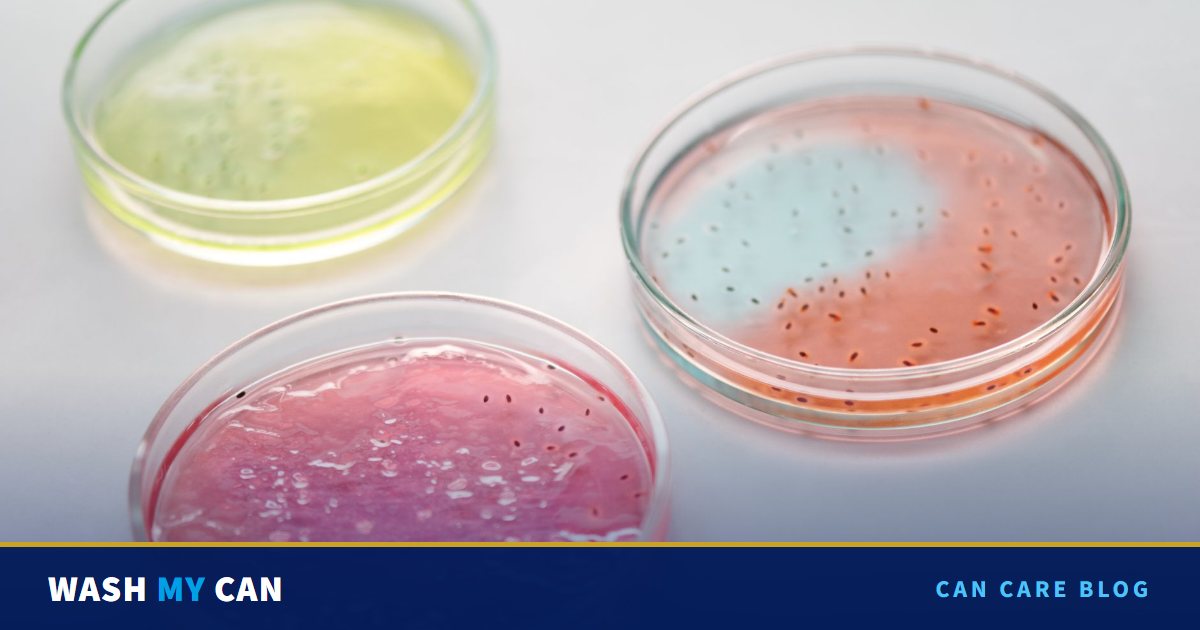
Once that juice reaches the plastic, bacteria go to work breaking it down. As protein rots, it can release sulfur and ammonia type compounds, and those are a big part of the rotten, putrid smell people describe as dead animal. Add Florida heat and humidity and the process speeds up. Bacteria such as E. coli can double about every 20 minutes under ideal conditions, and a closed can sitting in the sun can get warm and damp enough to help them along.
Sometimes the cause really is an animal. A small critter, a bird or a lizard can occasionally end up inside or under a can, and food scraps that were already spoiled before they went in can add to the stink. But in most cans, the real source is the residue you cannot see: a dark puddle in the bottom and a thin film coating the walls and the underside of the lid.
What that smell really feels like up close
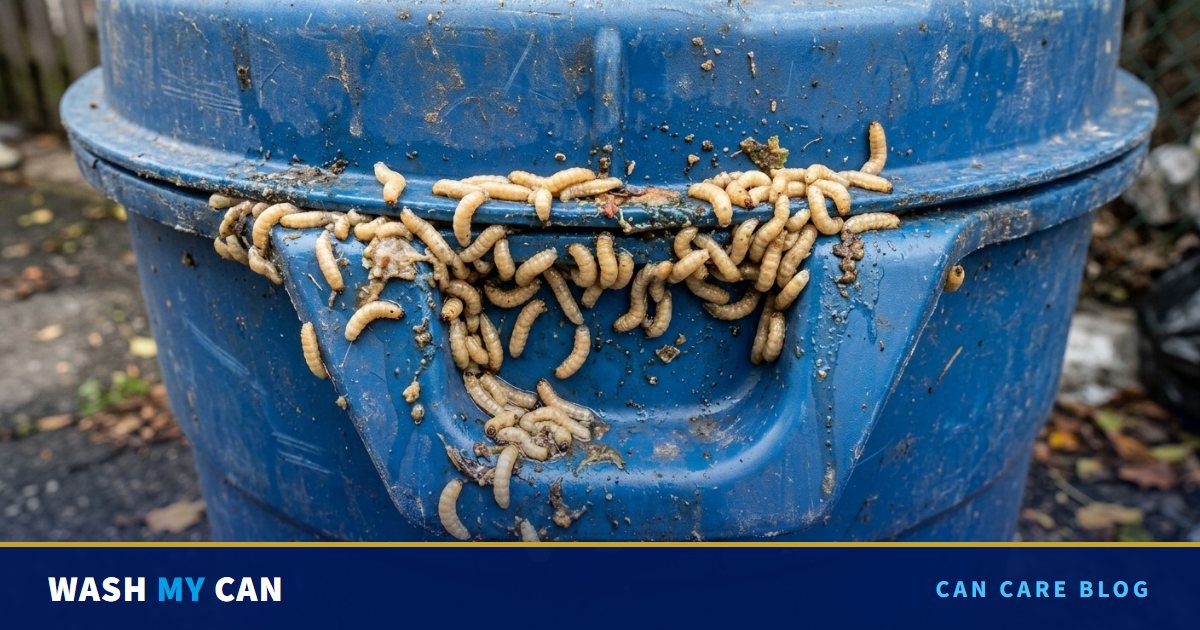
You know it before you touch it. The second the lid opens, a wave of hot, sweet rot rolls out, so thick you can almost taste it, sour and coppery at the back of your throat. Flies lift off with a low, angry buzz. Tip the can toward you and you hear a wet slosh from the bottom. The handle feels tacky under your fingers, and the inside walls are slick, almost greasy, if you brush against them. Look down and you may see a brown ring, a black crust in the corners, and sometimes pale, wriggling maggots where flies have laid eggs. A house fly can lay up to about 150 eggs at a time, and in warm weather those eggs can hatch in roughly a day.
Why a garden hose rinse does not fix it
Most people do the logical thing. They drag the can to the driveway, blast it with the hose, maybe pour in some dish soap or a splash of bleach, and tip it out. For a day or two, it seems better. Then the smell comes right back, sometimes worse.
Here is why. A cold garden hose moves the loose gunk around, but it does not sanitize. The bacteria making that smell live in a slick layer stuck to the plastic, in the seams, under the rim and around the hinge. Cool water and a quick spray slide right over it. What is left behind is a damp can, and in Florida a damp can rarely dries out all the way. That leftover moisture plus that leftover film is exactly what lets the bacteria bounce back. You also end up with dirty, smelly runoff on your driveway, your lawn or heading toward the storm drain.
How to clean a smelly garbage can the right way
A few habits can help between cleanings. Double bag meat, fish and bones, and try to time those scraps for the night before pickup. Keep the lid closed tight. Park the can in the shade if you can. Never pour liquids straight into the can. These steps slow the smell down, but they do not remove the residue that is already built up.
To actually get rid of a smell like this, the can needs heat and pressure, not just water. That is exactly what we do at Wash My Can. Our state of the art cleaning trailer comes right to your curb after your trash is picked up. We blast your cans inside and out with 200 degree high-pressure hot water that cuts through the grease, film and crust a hose leaves behind. That hot wash cleans, sanitizes and disinfects your cans and kills bacteria and disease-causing germs, then we deodorize them so they smell fresh.
And all of that dirty water from inside the can? It stays with us. The interior wastewater, where the true gray water comes from, is collected in the holding tank on our trailer, so it never runs onto your lawn, your driveway or into the storm drain. You do not even need to be home. We put your cans back where you keep them.
Stop living with the dead animal smell
You should not have to hold your breath every time you take out the trash. If your garbage can smells like something died in it, let us handle it. Plans start at $25 a month for 2 cans, with Quarterly at $45 and a One-time cleaning at $65, and there is no contract. See our residential trash can cleaning plans or book a one-time trash can cleaning and get your can smelling like nothing at all again. Tap Start Service below to book today.
Make the dead animal smell disappear for good
We wash your cans at the curb with 200 degree high-pressure water that kills odor-causing bacteria, and collect the gray water from inside each can in our holding tank. From $25 a month, no contract.